
Tabla de contenido
Local SEO is the process of optimizing a business to appear in local search results on Google, Google Maps, and other search engines. It helps businesses attract nearby customers searching for products or services in a specific area.
For small businesses, local SEO is one of the most effective digital marketing strategies because it increases visibility in local searches, improves Google Business Profile rankings, and drives more phone calls, website visits, and store traffic.
In this guide, you will learn what local SEO is, how it works, why it matters, and the best strategies to improve local rankings.
What Is Local SEO?
Local SEO (Local Search Engine Optimization) is a digital marketing ecosystem designed to connect your physical business with the exact moment when a potential customer, in your service area, makes a purchase decision. Unlike traditional SEO, which competes for global attention, local SEO focuses on gaining visibility in specific digital environments where proximity is the deciding factor: the Local Pack from Google, Google Maps, and organic search results with local fragments.
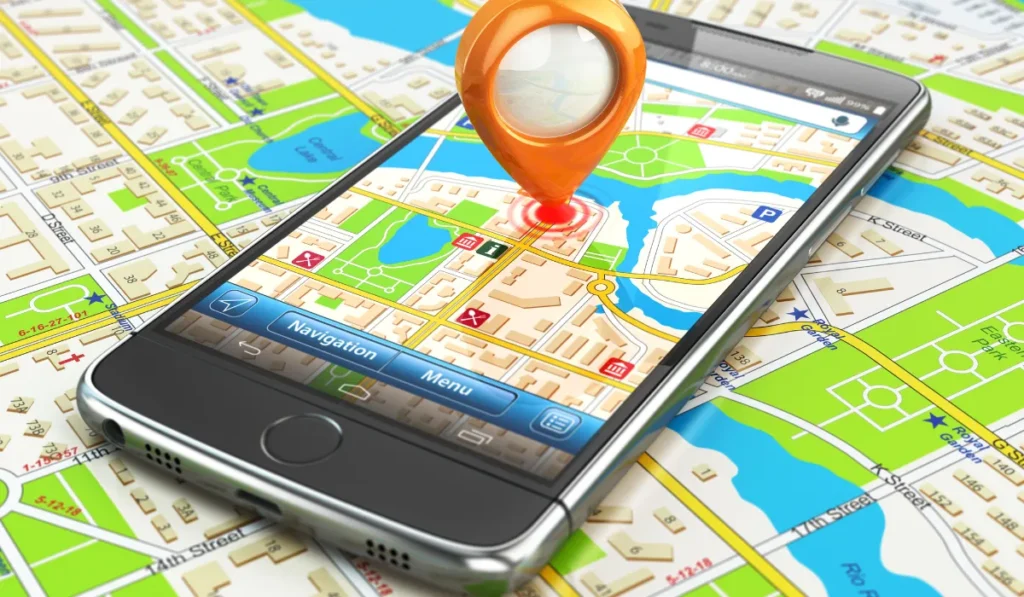
Industry authority Moz defines local SEO by highlighting its dependency on three core pillars that Google uses to rank businesses:
- Prominence: The online notoriety of your business. It is built through reviews, local media mentions, quality links from community sites, and a robust Google Business Profile.
- Relevance: How well your business aligns with what a user is looking for. This includes the keywords in your profile, the selected business categories, and the content of your website.
- Proximity: The distance between the user (or the location searched for) and your business. For searches with local intent, this is an extraordinarily weighted factor.
If you’re new to SEO fundamentals, we recommend first reading our complete guide on what is SEO to build a strong foundation.
For an estimated ROI on your SEO efforts, try our SEO calculator.
How Does Local SEO Work?
The operation of local SEO materializes through a specialized algorithm that prioritizes geographical signals. When a user performs a search such as “bike workshop” or “open veterinarian now,” Google activates its Local Index system. This system crosses three key databases:
- The index of Google Business Profile: Where it checks the information, completeness, and activity of your profile.
- The main web index: Where it tracks your website and other online mentions to verify the consistency of your NAP (Name, Address, Phone) and authority.
- User interaction data: Including click-through rate on your profile, time users spend on your profile, and routes requested in Maps.
Google Business Profile
Your Google Business Profile (GBP) is the most critical factor for local SEO success. It’s not enough to create it; it must be an engagement center. This includes:
- 100% completeness: All sections filled (description, hours, attributes).
- Primary and secondary categories: Chosen with surgical precision.
- Quality multimedia content: Professional photos and videos of interior, exterior, equipment, and products. Profiles with photos receive 42% more address requests.
- Regular posts: To announce news, offers, and events.
- Responding to Q&A: A section often neglected but crucial for engagement.
For a detailed walkthrough, check our guide on how to set up Google My Business correctly.
Local Ranking Factors
Google ranks local businesses based on three main pillars as mentioned above. However, within those, specific factors carry more weight:
| Factor | Weight | Description |
|---|---|---|
| Google Business Profile signals | Highest | Completeness, categories, proximity, keywords in profile |
| Review signals | High | Quantity, velocity, diversity, and responses |
| Citation signals | High | NAP consistency across the web |
| Link signals | Medium | Local backlinks from relevant community sites |
| Website signals | Medium | Location pages, schema markup, mobile optimization |
Google Maps Optimization
Google Maps is a separate but interconnected platform where visual optimization (photos, videos) and review management are paramount. The result of local SEO efforts is presented in specific formats:
- The Local Pack: The 3 featured business listings that appear at the top of the SERP. It is the biggest prize of local SEO.
- Google Maps: Where users discover businesses based on proximity and ratings.
- The Local Finder: The expanded list that appears when you click “More Places” on the Local Pack.
Why Is Local SEO Important for Small Businesses?
Implementing a solid local SEO strategy not only improves your positioning but directly impacts your bottom line with concrete and measurable benefits.
More Local Visibility
Attract customers in “purchase” mode. According to industry data, 78% of local mobile searches end up in a purchase at physical stores. Without local SEO, your business remains invisible to these high-intent customers.
Higher Google Maps Rankings
When people search for restaurants, car rentals, lawyers, hotels, or local services, Google prioritizes businesses with strong local SEO signals. Appearing in the Local Pack can multiply your calls and visits by ten.
More Calls and Customers
An optimized Google profile with reviews generates pre-visit credibility. Businesses that respond to reviews see a 35% increase in their profile conversion rate. Local SEO also allows small and medium businesses to outperform large chains in their immediate area, positioning themselves as the neighborhood expert.
Additionally, local SEO is attraction marketing (“inbound”) that captures existing demand. It has a significantly lower cost per lead than interrupted online advertising. A solid foundation of genuine reviews and consistent NAP also protects your visibility from Google’s core algorithm updates.
For a deeper understanding of timelines, read our article on how long it takes to see results with SEO.
If you’re considering hiring help, see our guide on SEO agencies and what to look for.
For businesses targeting the US market specifically, check our guide on SEO for business in the United States.
Local SEO vs Traditional SEO
To strengthen the concept of local SEO, it is crucial to clearly differentiate it from general or “organic” SEO. They are not exclusive strategies but complementary, with different tactics and objectives.
| Factor | Traditional SEO (Organic/Global) | Local SEO |
|---|---|---|
| Scope and Objective | Position a website for generic searches without geographic context (e.g., “healthy recipes”) | Position a physical business for searches with geographical intent (e.g., “healthy restaurant near me”) |
| Optimization unit | The web page and the domain as a whole | The Google Business Profile (GBP) and location/service pages on the website |
| Critical ranking factors | Domain authority, high-profile backlinks, extensive content, technical SEO | GBP optimization, NAP consistency, local reviews, local backlinks, exact proximity |
| Results format | Web page listings (“blue links”) in the main SERP | Local Pack, profile in Google Maps, rich snippets with integrated local data |
| Primary tools | SEMrush, Ahrefs, Screaming Frog | GBP panel, BrightLocal, Whitespark, Local Viking |
When Businesses Need Local SEO
Your business needs local SEO if:
- You have a physical location that customers visit (store, restaurant, clinic, workshop)
- You serve customers within a specific geographic area (plumber, electrician, landscaper)
- You want to appear in Google Maps and the Local Pack
- Most of your customers come from “near me” searches
For related digital marketing strategies, read our guide on digital marketing for small businesses in the United States.
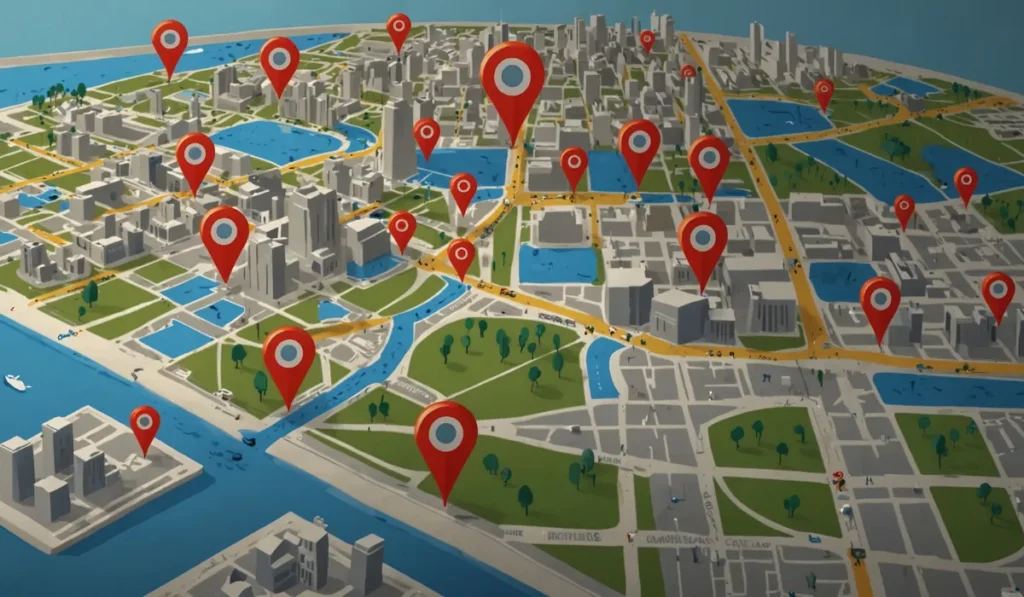
Key Elements of a Local SEO Strategy
Your strategy should be built on these pillars, ordered by their weight and proven impact on Google’s local algorithm.
Google Business Profile Optimization
This is factor #1. It includes:
- 100% completeness: All sections full (description, schedules, attributes)
- Primary and Secondary Categories: Chosen with surgical precision
- Quality multimedia content: Professional photos and videos
- Regular posts: To announce news, offers, and events
- Answer to Q&A: A section often neglected but crucial for engagement
Local Keywords
Local keyword research involves finding terms with geographic modifiers like “near me,” “in [city],” or “[service] + [neighborhood].” Tools like Google Keyword Planner, AnswerThePublic, and SEMrush help identify these opportunities.
NAP Consistency
Your Name, Address, and Phone number must be identical across the entire web. An error in an old directory creates “noise” and reduces the algorithm’s confidence in the accuracy of your data. Tools like BrightLocal or Local Moz are essential for auditing and correcting this.
For WordPress users, we recommend the best WordPress plugins for local businesses to automate NAP management.
Online Reviews
Reviews are the “social proof” that promotes ranking and conversion. Google measures:
- Quantity and frequency: A steady stream of new reviews is a positive signal
- Diversity of sources: Reviews on GBP, Yelp, Facebook, and sector-specific sites
- Text quality: Detailed reviews with natural keywords
- Owner’s response: Reply to all reviews, especially negative ones
Local Citations
Citations are online mentions of your business NAP. They can appear on directories like Yelp, Yellow Pages, industry-specific sites, and local chamber of commerce pages. Consistency across hundreds of directories is key.
Local Link Building
Links from sites with authority in your city (.edu municipal, local newspapers, chambers of commerce, neighborhood blogs) are votes of hyperlocal confidence. Their value to local SEO surpasses that of many generic links of greater authority.
How to Improve Local SEO Rankings
Implement these actionable strategies to boost your local visibility.
Optimize Your Website
Your website must send clear local signals:
- Location/Service pages: A page dedicated to each city or neighborhood you serve, with unique content (not duplicated) that includes NAP, an embedded map, and local testimonials
- Structured data (Schema): Implement Schema.org LocalBusiness to help Google understand and extract your information for rich snippets
- Mobile optimization and speed: Most local searches are on mobile. A slow or non-responsive site is fatal
Use our SEO audit tool to identify technical issues on your site.
For WordPress users, check our guide on the best SEO plugin for WordPress to implement schema markup easily.
To improve loading speed, read our articles on how to improve loading speed and how to optimize images.
Create Location Pages
If you serve multiple cities, create a unique page for each location. Each page must include:
- Unique content (never duplicate)
- Local NAP information
- Embedded Google Map
- Customer testimonials from that area
- Local landmarks or references
For businesses using WordPress, see our free WordPress themes guide and WordPress for business recommendations.
Need a professional website? Read our guide on websites for business in the United States and web design for business in the United States.
For an agency-ready template, check our agency WordPress template.
Get Customer Reviews
Implement a review generation strategy:
- Ask satisfied customers directly (in person, via email, or SMS)
- Make it easy with direct links to your Google review form
- Respond to every review within 24-48 hours
- Never offer incentives for positive reviews (against Google’s policies)
Build Local Backlinks
Develop a list of 20-30 relevant local websites (newspapers, blogs, associations, chambers of commerce) and create an outreach plan:
- Sponsor local events
- Write guest articles for local blogs
- Get mentioned in local news
- Partner with complementary local businesses
Common Local SEO Mistakes
Avoid these critical errors that hurt your rankings:
| Mistake | Consequence | Solution |
|---|---|---|
| Inconsistent NAP | Google loses confidence in your data accuracy | Perform an audit with BrightLocal; create a master NAP document |
| Incomplete Google profile | Missed ranking signals and lower trust | Follow a GBP optimization checklist; assign someone to post weekly |
| Ignoring negative reviews | Lost credibility and conversion opportunities | Respond with empathy; offer solutions privately; never argue publicly |
| Keyword stuffing in business name | Profile suspension (violates Google guidelines) | Use only your legal, real trade name |
| No local backlink strategy | Missing hyperlocal authority signals | Create a list of 20-30 local sites and start outreach |
| Duplicate location pages | Google sees thin or duplicate content | Create unique content for each location page |
For multilingual sites, avoid hreflang errors by reading our guide on hreflang errors fix WordPress.
Benefits of Local SEO
Implementing local SEO provides a clear return on investment:
| Benefit | Concrete Impact |
|---|---|
| High-intent traffic | 78% of local mobile searches result in in-store purchases |
| Trust building | Businesses that respond to reviews see 35% higher conversion rates |
| Competitive advantage | SMEs can outperform large chains in their immediate area |
| High ROI | Lower cost per lead than paid advertising |
| Algorithm resilience | Strong review and NAP foundation protects against core updates |
Advanced Local SEO Strategies
To go beyond the basics and master local SEO, implement these advanced actions:
Citation Auditing and Cleaning (NAP)
Use a tool like Whitespark Citation Finder to find and correct all inconsistent mentions of your business in online directories—some you may not even know exist.
Creating “Local Link Winner” Content
Develop resources so valuable that local sites want to link to them. Examples:
- A definitive guide for new residents of your city
- A study/infographic on local economic data in your sector
- A directory of community resources
Optimization for Voice Search
Voice searches (Alexa, Siri, Google Assistant) are conversational and ultra-local (“OK Google, where is the nearest hairdresser open now?”). Make sure your content answers questions that start with “who,” “what,” “where,” “how,” and “best.”
Monitoring the Local Ranking Grid
Your position on the map varies depending on which street you search from. Tools like Semrush Position Tracking (with Grid View) show you a heat map of your real visibility in the city, identifying blind areas.
Integration with CRM
Connect your GBP with CRM tools to manage customer relationships. Learn when you need a CRM for your business and how it complements local SEO.
Essential Tools for Local SEO
| Category | Recommended Tools | Main Use |
|---|---|---|
| Central management | Google Business Profile | Daily profile management, insights, posts |
| Audit and citations | BrightLocal, Local Moz, Whitespark | NAP consistency audit, citation creation, review monitoring |
| Ranking monitoring | Semrush Position Tracking, Local Falcon | Local Pack position tracking, grid/map views |
| Keyword research | AnswerThePublic, Google Keyword Planner | Local modifiers (“near me,” “in [city]”) |
| Competition analysis | SpyFu, BrightLocal | Local competitor keywords and review profiles |
| Technical optimization | Google Search Console, PageSpeed Insights | Indexing errors, mobile speed |
To automate parts of your local SEO workflow, read our guide on how to automate SEO with AI.
For content strategy, see our content marketing guide.
Local SEO Case Studies in Action
Case Study 1: Neighborhood Café
Objective: Increase breakfast traffic during weekdays.
Actions:
- Optimized GBP with photos of new breakfast items
- Added “Breakfast” and “Free Wi-Fi” attributes
- Posted weekly Monday offers
- Asked regular customers for reviews with QR codes on tables
Result: 30% increase in address requests from Google Maps during breakfast hours within 4 months.
Case Study 2: Dental Clinic
Objective: Capture new patients for orthodontics.
Actions:
- Created a dedicated page for “Orthodontics in [City]” with local FAQs
- Implemented MedicalBusiness schema
- Ensured NAP was identical across 10 local health directories
Result: Top 3 position in Local Pack for “orthodontics [City]” and 50% increase in online consultations.
Frequently Asked Questions About Local SEO
What is the difference between SEO and local SEO?
Traditional SEO focuses on ranking a website for generic, non-geographic searches (e.g., “healthy recipes”). Local SEO focuses on ranking a physical business for searches with geographic intent (e.g., “healthy restaurant near me”). Local SEO prioritizes Google Business Profile optimization, NAP consistency, and reviews.
Does local SEO work for small businesses?
Yes. In fact, local SEO is specifically designed for small and medium businesses. It allows them to compete with and often outperform large chains in their immediate geographic area by positioning as the neighborhood expert.
How long does local SEO take?
Initial results typically appear within 3-6 months. However, competitive niches may take 6-12 months. Consistency is key—local SEO results are cumulative and create a durable, low-maintenance marketing asset. Read our detailed SEO timeline guide.
Is Google Business Profile necessary?
Yes. GBP is the #1 ranking factor for local SEO. Without a fully optimized and active Google Business Profile, your chances of appearing in the Local Pack or Google Maps are extremely low. It’s free and essential for any business with a physical location or service area.
How much does local SEO cost?
You can do it yourself for free (investing time). Outsourcing to a specialized agency typically ranges from €200 to €800 per month, depending on competition in your locality and scope of services (audit, optimization, content creation, local link building).
Can I do local SEO for multiple locations (franchises)?
Yes, but it requires a multi-location strategy. Each location must have its own independent and verified GBP and, ideally, a unique location page on the corporate website. Avoid duplicating content; each page must have specific local information (local team, local events, customer testimonials from that city).
Is local SEO only for Google?
No, although Google is the dominant player. A complete local SEO strategy also considers Apple Maps (crucial for iPhone users), Bing Places, and vertical directories like TripAdvisor for hospitality. NAP consistency must be maintained across all of them.
Final Thoughts About Local SEO
Understanding local SEO in depth is the first step in transforming the way your business exists on the internet. It is no longer about having only a website, but about actively owning and optimizing your presence in the new high-traffic “digital windows”: Google Maps and the Local Pack.
The journey begins with an honest diagnosis of your current situation (your GBP, your reviews, your NAP) and continues with disciplined implementation of the strategies described. Consistency is key—the results of local SEO are cumulative and create a durable, low-maintenance marketing asset.
For technical implementation on WordPress, check our guide on what is the best SEO plugin for WordPress and learn how much it costs to make a professional website.
If you’re targeting specific regions, see our guide on digital marketing agencies in Cuba.
Customers are already searching. Now it’s up to you to make sure your business is not only found but chosen.
Recommended Resources:
- Google Business Profile: Getting Started Guide – The official and always-updated source from Google
- The Local Search Ranking Factors – Moz’s annual survey of 40+ world experts
- The Whitespark Blog – Advanced guides and case studies for citations and local link building